

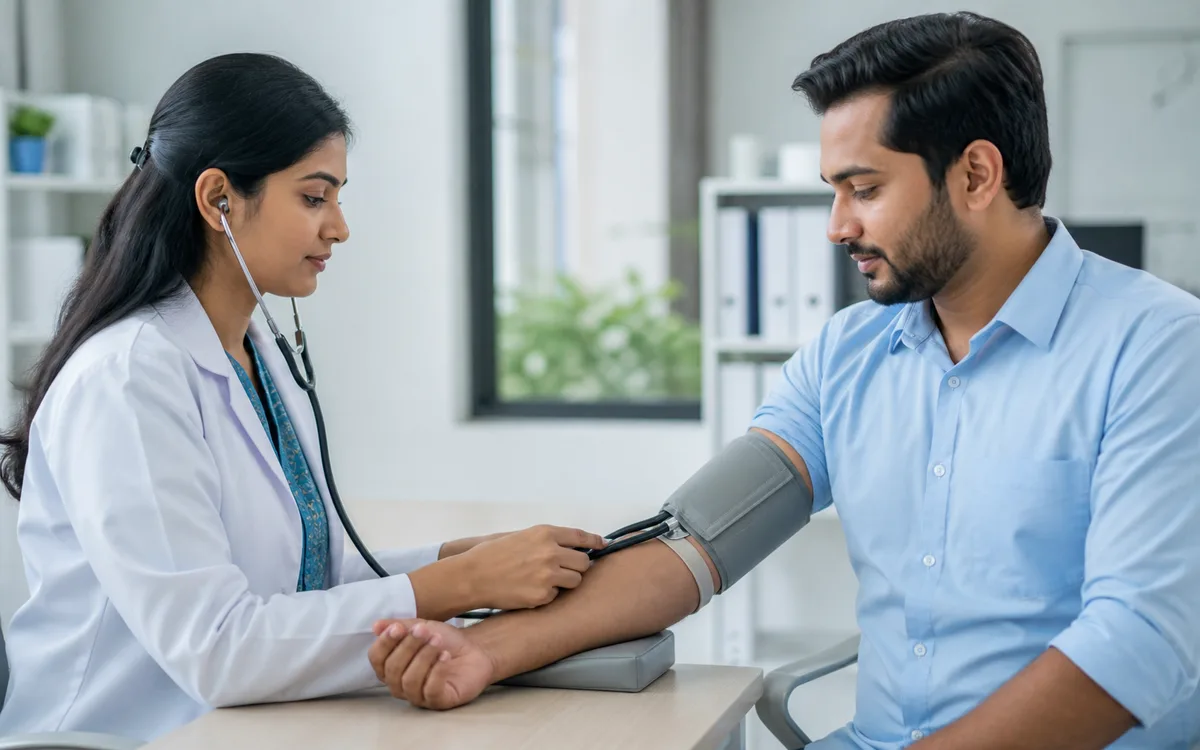
Blood pressure is the force of circulating blood against the walls of the blood vessels. When it remains too high over time, it can place extra strain on the heart, brain, kidneys, and blood vessels.
High blood pressure may be silent
Many people with hypertension do not feel unwell. The World Health Organization notes that measuring blood pressure is the only reliable way to detect it. A single unusual reading does not always establish a diagnosis; a healthcare professional considers repeated measurements, medical history, and other risk factors.
Who should discuss monitoring with a doctor?
Monitoring may be particularly important for people with a family history of hypertension, increasing age, diabetes, kidney disease, excess weight, tobacco use, low physical activity, or a diet high in salt. Your doctor can recommend how often to check based on your individual situation.
Getting a useful reading
- Rest quietly before the measurement.
- Sit with your back supported and feet placed on the floor.
- Keep the arm supported near heart level.
- Use a correctly sized cuff and follow the device instructions.
- Record readings with their date and time if your doctor requests home monitoring.
Managing risk is personal
Healthy food choices, reduced salt intake, physical activity, avoiding tobacco, and maintaining a suitable weight may help reduce risk. Some people also require prescribed medicine. Do not start, stop, share, or change blood-pressure medicine without speaking with the prescribing clinician.
Know when to seek urgent help
Very high readings accompanied by symptoms such as chest pain, severe headache, difficulty breathing, confusion, or vision changes require urgent medical assessment.
This article is educational and is not a diagnosis or an individual treatment plan.
Join the conversation
0 Comments
No comments yet. Be the first to share a thoughtful response.